
Aquariums are one of the most commonly underestimated items on moving day. The tank is heavy and fragile, the water can’t travel, and the fish need a completely separate plan. Here’s how it’s actually done properly.
Why fish tanks can’t just be emptied and loaded
A full tank is deceptively heavy — even a modest 100-litre aquarium holds 100kg of water on top of the glass and stand. Moving it full isn’t just impractical, it’s dangerous: water sloshing during transport puts uneven pressure on glass seams that were only ever designed to hold still water. The tank has to be fully drained before it moves anywhere.
Preparing the fish (before the tank is touched)
Fish should come out of the tank first, into sealed containers filled with a portion of their existing tank water — never fresh tap water, which shocks their system. Keep containers upright, away from temperature extremes, and transport them yourself rather than in the moving truck, where temperature and handling can’t be as closely controlled.
Preparing the tank, filter, and substrate
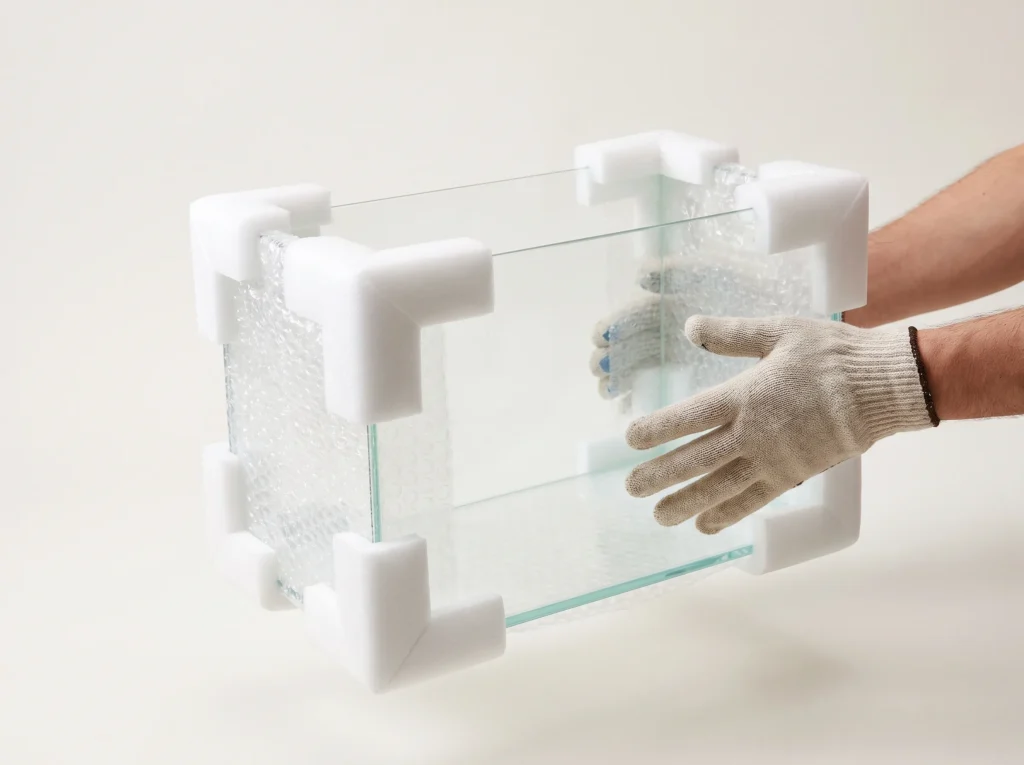
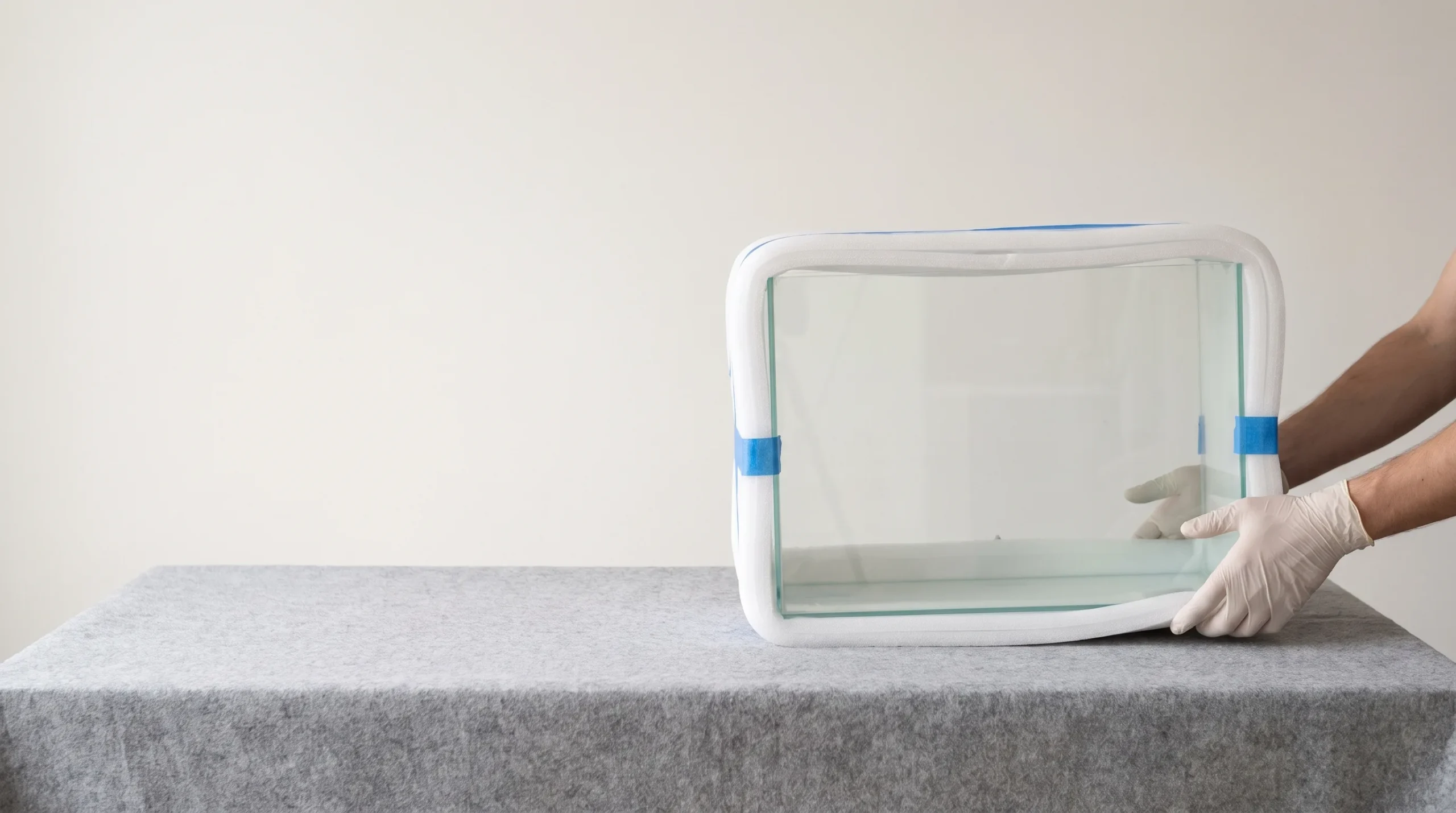
Once the fish are out, drain the tank fully and remove any decorations, substrate and the filter media. Keep filter media wet and bagged separately — it’s where the beneficial bacteria that keep the tank healthy actually live, and drying it out sets the tank’s ecosystem back significantly. The empty glass tank should then be padded and transported upright, never laid flat, as a specialist single item.
Setting the tank back up at the new place
Reassemble in the same order it came apart: stand, tank, substrate, decorations, then water — ideally a mix of the old tank water you saved and fresh treated water, to ease the transition. Reintroduce the fish only once temperature and water chemistry are stable, usually after the tank has been running again for a few hours.
If you’re moving other fragile or awkward items alongside the tank, our packing and unpacking service covers the rest of the fragile-item side of the move.
Frequently asked questions
Can I move a fish tank with water still in it?
No — even a small amount of water adds significant weight and shifts during transport, which risks cracking the glass or seams. The tank should always be fully drained before it’s moved.
How do I transport the fish separately?
In sealed, insulated containers with a portion of their existing tank water, kept upright, temperature-stable and out of direct sun — ideally transported in the same vehicle as you, not the removal truck.
Will the filter’s bacteria survive the move?
The beneficial bacteria live mostly in the filter media, not the water — keeping the filter media wet and moving it quickly minimises die-off, but some bacterial loss should be expected.
How long can fish safely stay in a transport container?
Most freshwater fish tolerate a few hours in a properly prepared container without issue; longer trips need aeration or a larger water volume to manage oxygen and waste buildup.
Do removalists handle aquariums as a standard item?
Tanks themselves are moved as a specialist fragile item — properly drained, padded and transported upright — while the livestock and water chemistry side is the owner’s responsibility to manage separately.
Moving a tank or other awkward, fragile item? Ask Move Masters Removalists how we’d handle it.